
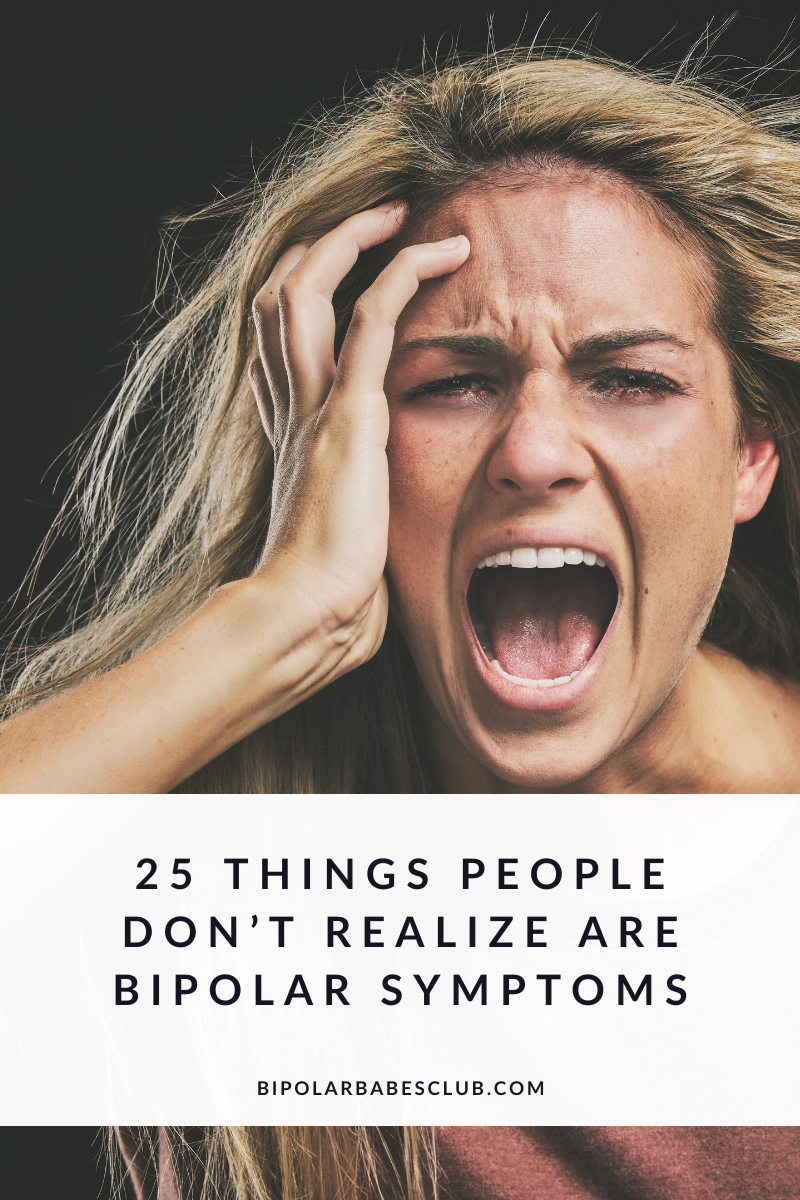
When most people think about bipolar disorder, they picture extreme mood swings between mania and depression. But the reality of living with bipolar disorder is often far more complex.
Many symptoms are subtle, confusing, or mistaken for personality traits, stress, or everyday emotional ups and downs. Because of this, people with bipolar disorder are often misunderstood—even by the people closest to them.
Some symptoms don’t look dramatic from the outside at all. In fact, they can quietly shape daily life in ways that many people don’t recognize as part of the illness.
Here are 25 things people don’t realize can actually be bipolar symptoms.
1. Sleeping Much Less Without Feeling Tired
During hypomania or mania, someone may only sleep a few hours and still feel energized. This isn’t just insomnia—it’s a classic early sign of mania.
2. Sudden Bursts of Extreme Productivity
Many people with bipolar disorder experience periods where they feel unstoppable, creative, and hyper-focused. They may start multiple projects at once or work for long hours without breaks.
3. Racing Thoughts
Thoughts may move so quickly that it becomes hard to focus, relax, or even finish sentences.
4. Talking Faster Than Usual
Speech can become rapid, pressured, or difficult to interrupt during manic or hypomanic episodes.
5. Impulsive Spending
One of the most common bipolar symptoms people overlook is impulsive or reckless spending, often during manic periods.
6. Irritability Instead of Happiness
Mania isn’t always euphoric. Many people experience intense irritability or agitation instead of feeling “happy.”
7. Needing Less Sleep but Feeling Wired
People may stay awake late into the night working on ideas, organizing their home, or planning big life changes.
8. Overconfidence
During mania, someone might feel unusually confident or believe they can accomplish unrealistic goals.
9. Difficulty Concentrating
During depressive episodes, focusing on even simple tasks can feel extremely difficult.
10. Extreme Fatigue
Bipolar depression often includes heavy exhaustion, even after sleeping for long periods.
11. Loss of Interest in Things You Normally Enjoy
Hobbies, relationships, or daily routines may suddenly feel meaningless during depressive episodes.
12. Emotional Sensitivity
Small conflicts or criticisms may feel overwhelming.
13. Feeling Restless or Unable to Relax
Some people experience intense mental and physical restlessness, especially during mood shifts.
14. Starting Many Projects but Finishing Few
During hypomania, it’s common to start multiple creative or ambitious projects without completing them.
15. Heightened Creativity
Some people report increased creativity, ideas, and inspiration during manic or hypomanic states.
16. Social Withdrawal
During depressive episodes, people may isolate themselves from friends and family.
17. Changes in Appetite
Mood episodes can cause noticeable changes in eating habits, including overeating or loss of appetite.
18. Feeling Like Your Brain Won’t Slow Down
Many people describe manic thinking as having a mind that refuses to quiet down.
19. Increased Risk-Taking
This might include reckless decisions related to finances, relationships, or career choices.
20. Sudden Life Changes
During manic periods, people sometimes make big decisions quickly, like quitting jobs, moving, or starting new ventures.
21. Guilt After Mood Episodes
When a manic or depressive episode ends, people often feel deep shame or regret about what happened.
22. Trouble Maintaining Routines
Sleep schedules, daily habits, and responsibilities can become inconsistent when mood symptoms intensify.
23. Feeling Like a Completely Different Person
Some people describe bipolar disorder as feeling like different versions of themselves appear during different moods.
24. Fear of Feeling “Too Good”
People who have experienced mania may become anxious when they start to feel too energized or productive.
25. Missing Mania After It’s Gone
One of the most confusing bipolar experiences is sometimes missing the energy or intensity of mania, even though it caused harm.
Understanding the Full Reality of Bipolar Disorder
Bipolar disorder is far more than simple mood swings. It affects sleep, energy, thinking patterns, relationships, and daily functioning.
Recognizing these less obvious symptoms can help people seek treatment, understand themselves better, and reduce the shame that often comes with the illness.
Living with bipolar disorder is not easy—but greater awareness makes stability more possible.
For More Information About Bipolar Disorder Please Visit:
Related Posts