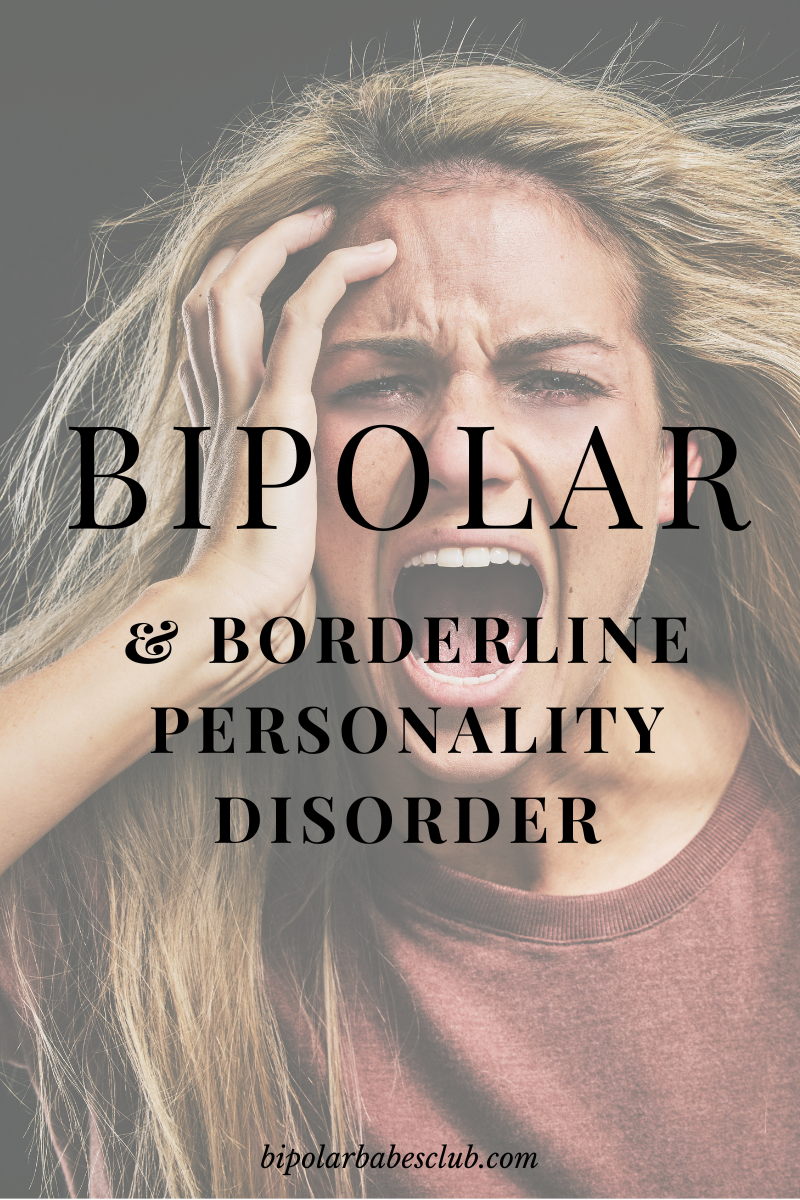
If you’ve ever wondered whether you have bipolar disorder or borderline personality disorder (BPD), you’re not alone. These two mental health conditions share overlapping symptoms — intense mood swings, impulsivity, suicidal thoughts, relationship struggles — and they are frequently confused, even by professionals. But here’s the truth: Getting the diagnosis wrong can delay the right treatment for years. Let’s break down the difference between bipolar disorder and borderline personality disorder — and why it matters. Learn about Small Habits for Bipolar Stability.
Don’t Forget to Read These Ones
- My Unfiltered Bipolar Disorder Hot Takes
- How To Make A Bipolar Disorder Daily Routine
- Bipolar Disorder Podcasts That Truly Help
- My Big Regret In This Life
- Taboo Topics Surrounding Bipolar Disorder
- Bipolar Disorder Books

Why Bipolar Disorder and Borderline Personality Disorder Get Confused
Both conditions can include:
- Extreme mood changes
- Impulsive or risky behaviour
- Emotional intensity
- Self-harm or suicidal ideation
- Relationship instability
- Anger outbursts
- Feelings of emptiness
In crisis settings especially, symptoms can look nearly identical. But the key difference isn’t how intense the emotions are. It’s how and when they show up. If you want to learn more about borderline personality disorder read this one – Borderline and Bipolar Disorder.
Bipolar Disorder and Borderline Personality Disorder: The Core Difference
Bipolar Disorder Is Episodic
Bipolar disorder is a mood disorder characterised by distinct episodes of:
- Mania or hypomania (elevated mood, high energy, reduced need for sleep)
- Depression (low mood, hopelessness, fatigue)
These episodes:
- Last days, weeks, or longer
- Often include major sleep disruption
- May occur without a clear trigger
- Follow a cyclical pattern over time
Mood changes are sustained and biologically driven.
Borderline Personality Disorder Is Reactive
Borderline personality disorder (BPD) is characterised by:
- Rapid emotional shifts (often within hours)
- Intense fear of abandonment
- Unstable relationships
- Identity disturbance
- Emotional reactions triggered by interpersonal stress
Mood changes are typically:
- Shorter in duration
- Triggered by relationship dynamics
- Rooted in attachment patterns and emotional regulation difficulties
Both are serious. Both deserve compassion. But they are not the same disorder. Bipolar disorder and borderline personality disorder are different and require different treatment plans.
The Gender Bias in Diagnosis
Research shows women are more frequently diagnosed with BPD, while men are more often diagnosed with bipolar disorder.
This raises important questions about:
- Diagnostic bias
- The stigma attached to “personality disorders”
- How emotional expression is interpreted differently across genders
Misdiagnosis isn’t just clinical. It’s cultural.
Why Misdiagnosis Between Bipolar and Borderline Personality Disorder Matters
This isn’t just about labels.
It directly affects treatment outcomes.
If Bipolar Disorder Is Misdiagnosed as BPD:
- Mood stabilisers may not be prescribed
- Antidepressants alone may trigger mania
- Episodes may worsen or become more frequent
If BPD Is Misdiagnosed as Bipolar Disorder:
- Medication may be overemphasised
- Trauma-informed therapy may be delayed
- Dialectical Behaviour Therapy (DBT), a gold-standard treatment for BPD, may not be offered
The wrong diagnosis can mean years of ineffective treatment.
Can You Have Both Bipolar Disorder and Borderline Personality Disorder?
Yes. Comorbidity exists. (Co-Occuring: Bipolar & Borderline)
Some individuals meet criteria for both bipolar disorder and borderline personality disorder. In these cases, treatment must address both mood instability and attachment-based emotional regulation patterns.
Mental health diagnoses are not always mutually exclusive.
Signs You May Need a Thorough Reassessment
If you’ve experienced:
- Multiple changing diagnoses
- Medications that made symptoms worse
- Mood shifts that don’t fully match your diagnosis
- A history of trauma alongside mood episodes
It may be worth seeking a comprehensive psychiatric evaluation that includes:
- Long-term mood tracking
- Family history assessment
- Sleep pattern analysis
- Structured clinical interviews
- Trauma screening
Diagnosis should be based on patterns over time — not a single crisis moment.
The Emotional Impact of Being Misdiagnosed
Beyond treatment, misdiagnosis can cause:
- Identity confusion
- Self-doubt
- Distrust in mental health professionals
- Internalised stigma
When experts disagree about what you’re experiencing, it can make you question your own reality.
And that’s not a small thing.
Final Thoughts: It’s Not About the “Better” Diagnosis
Bipolar disorder is not more valid than BPD. BPD is not “worse” than bipolar disorder. The goal isn’t choosing the more socially acceptable label. The goal is accurate diagnosis — so you can receive treatment that actually reduces suffering. If you’re navigating the bipolar vs borderline personality disorder question right now, you deserve clarity. You deserve nuance. And you deserve care that fits your lived experience. Because when the diagnosis is right, healing finally has direction.
Related Posts